Congressional Briefing: Where AI Goes from Here
Events
•
The Deployers Shaping the Future of the American Economy

Key Summary
AI raises governance questions unlike those posed by traditional software. Models are fundamentally dynamic and further change with updates and fine-tuning, and their outputs vary across prompts, contexts, and real-world conditions. Oversight becomes a continuous, adaptive challenge rather than a one-time compliance check, and that burden falls heavily on the organizations deploying these systems.
Across sectors, these deployers are accountable for AI systems they did not always fully build and that they cannot fully see into. A hospital integrating a clinical decision-support tool, a retailer deploying a customer-facing agent, a media, entertainment, and connectivity company managing AI across dozens of business lines — from broadband networks to studios and theme parks — and a payroll provider facilitating compliance for small businesses all face the same asymmetry: the consequences of failure land on the deployer, while visibility into how the underlying systems were built and validated remains limited.
The most sophisticated deployers are responding with serious internal governance: intake processes, vendor diligence, live monitoring, and deployment controls. But that work is happening largely from scratch, organization by organization, without shared standards or infrastructure to demonstrate trustworthiness in ways regulators, insurers, and the public can recognize. Internal governance is necessary, but on its own it is not sufficient.
The Briefing
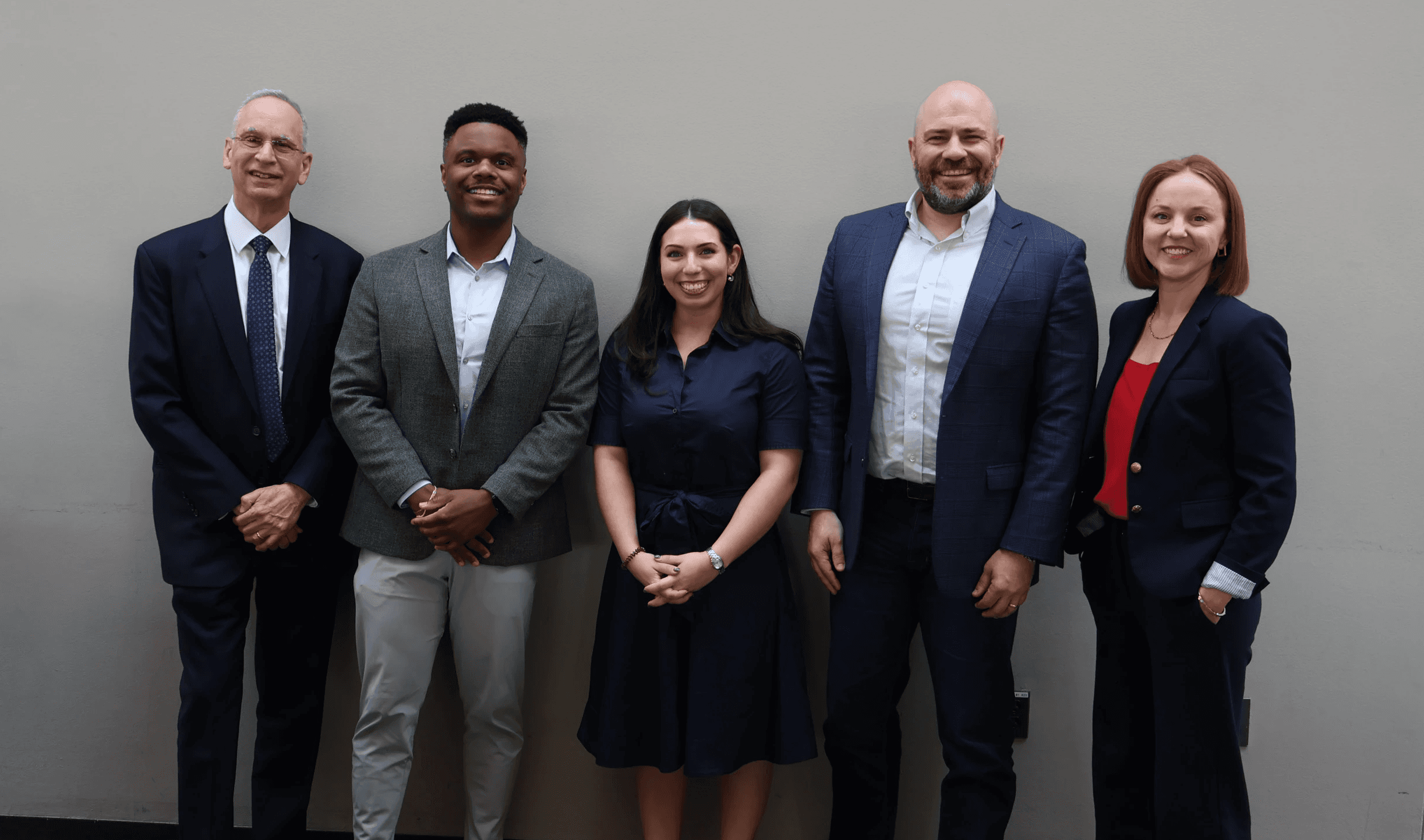
In May 2026, Fathom convened a Congressional briefing that brought together senior leaders from four organizations deploying or shaping the deployment of AI across the American economy — spanning healthcare, retail, media and entertainment, telecommunications, and payroll technology. The panel, moderated by Fathom Co-Founder and President Bri Treece, explored the challenges and solutions for responsible AI adoption within the institutions making deployment decisions every day.

"I want to know everything, because we don’t know where liability starts, and we don't know where liability ends"
-Hensey Fenton, Deputy General Counsel, Comcast NBCUniversal
The session brought together congressional staff from House and Senate Committees overseeing commerce & energy, technology, the judiciary, and veterans’ affairs; and officials from Commerce, Energy, and NIST; state technology policymakers and leaders from industry and and civil society to explore how the organizations on the the front lines of AI deployment are managing risk, building governance, and seeking trusted ways to verify that the systems they rely on work as intended.
The conversation reinforced a theme increasingly central to AI policy: the businesses deploying AI, not only the labs building it, carry the operational, legal, and reputational risks and consequences of how this technology performs — and they bring a critical, and surprisingly underrepresented, perspective to the policy conversation.
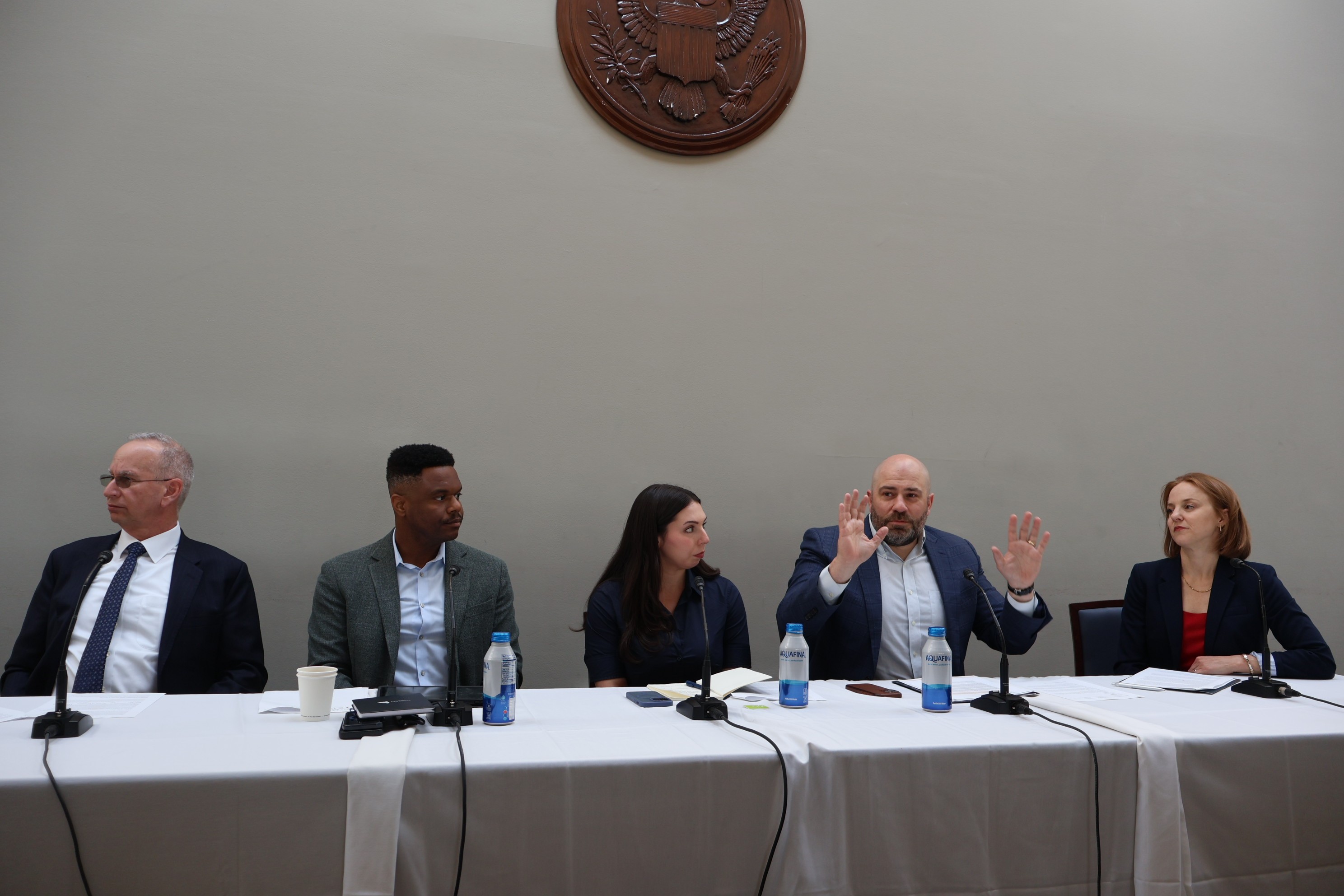
"I’m a strong believer in markets and letting people innovate — but with clear, concise rules of the road, in a lot of daylight. Clear rules, fair rules are much better than ambiguous ones and a free-for-all."
-Steve Abbott, Head of Government Affairs & Public Policy, Gusto
Key Takeaways
Deployers carry outsized risk for systems they didn’t fully build. Across healthcare, retail, media and telecommunications, and small-business technology, panelists described being accountable for the legal, operational, and reputational risks and consequences of AI systems developed by others. As Dr. Reich noted, when a health system takes on an externally developed product, it assumes all of the liability.
Even the largest enterprises cannot solve this alone. Comcast NBCUniversal runs a rigorous intake and live-monitoring process for every AI deployment, and still has to “boil the ocean” to protect the business absent shared liability frameworks. The power disparity between frontier labs and their customers is significant enough that even large companies cannot negotiate liability through contracts.
The message is not “no rules”; it’s clear ones. Steve Abbott — whose company handles payroll, benefits, and compliance for small businesses averaging seven employees — backs markets and innovation, but under clear, concise rules of the road that operate in daylight: unscrupulous actors prefer the shadows, and gray areas invite abuses that break the system of trust.
Internal governance is sophisticated but improvised. Deployers described mature practices — executive oversight committees, single sources of truth for compliance content, real-time monitoring of model outputs — yet each organization is building these frameworks independently, without common standards.
Independent verification could scale trust across sectors. Dr. Reich described the verification-organization concept as essential to getting AI tools into clinical workflows cost-effectively, calling for a federal “good housekeeping seal of approval” for medical applications. The same model could let smaller institutions rely on shared infrastructure rather than each building assurance from scratch.
Deployers want a seat at the policy table. Panelists urged policymakers to include deployers as they develop AI rules, noting that the conversation cannot start and end on the technology side.
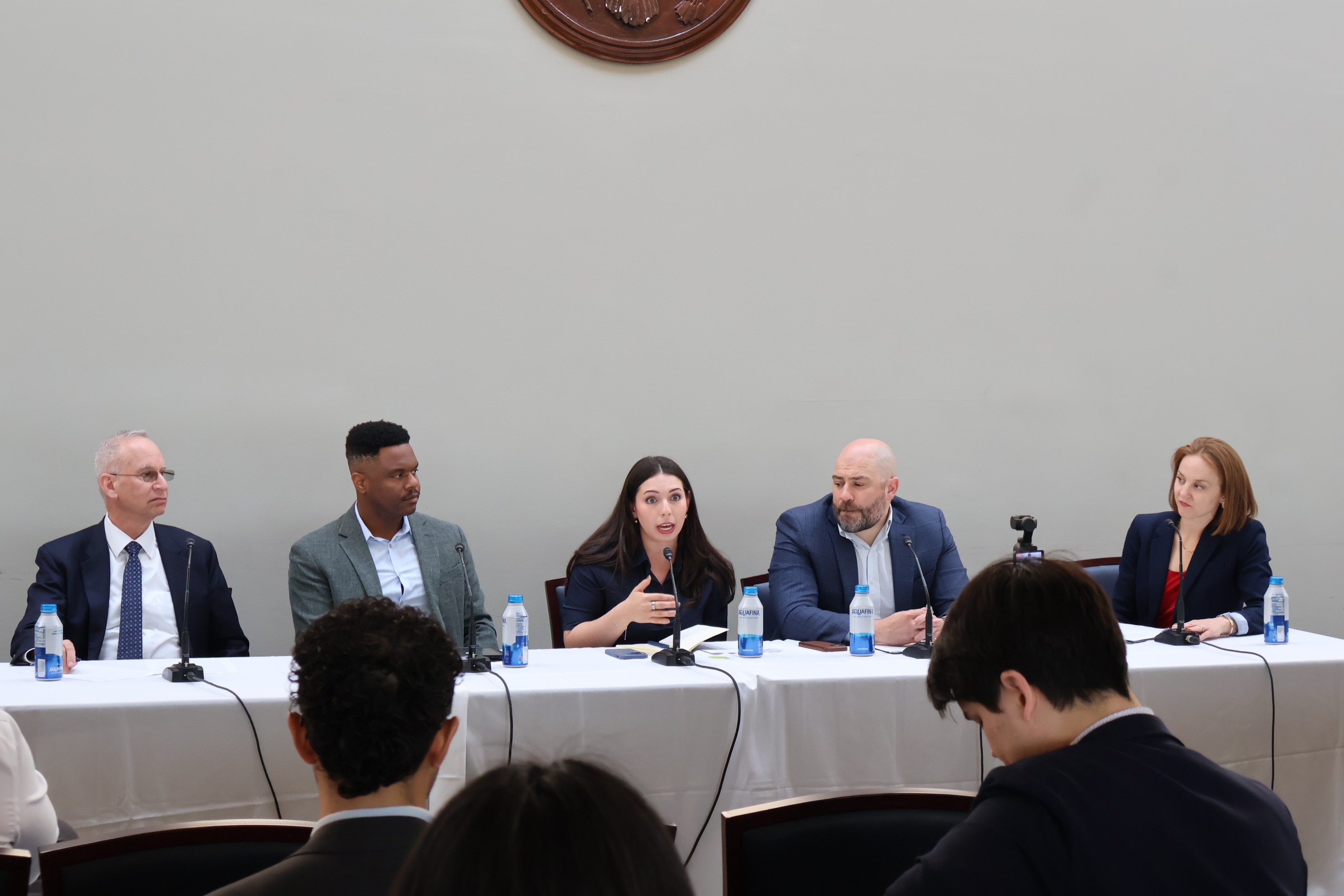
"Please include us in the conversation as you start developing these ideas and these rules and regulations. There’s this idea that these conversations need to start and end on the tech side. That’s not the case at all."
-Caroline Reppert, Senior Director, AI and Tech Policy, National Retail Federation
The Path Forward
The May briefing did something that rarely happens in the AI policy conversation: it put the organizations deploying AI in direct dialogue with the policymakers shaping the rules, before positions harden. Across healthcare, retail, media and entertainment, and small-business technology, panelists demonstrated cross-sector consensus on the need for clear standards and external assurance — and made the liability and accountability gap concrete: a practical, bipartisan policy problem with market-driven answers, not an abstract concern.
It was also one step in Fathom’s broader effort to build the infrastructure for trustworthy AI. Fathom is convening enterprises, assurance providers, and other stakeholders who share the belief that enterprise AI needs clear rules, credible standards, and trusted ways to verify that systems are safe and work as intended.
If you are building, deploying, or evaluating AI systems — and want to learn more about how independent assurance can strengthen safety and trust in practice — we would like to connect.
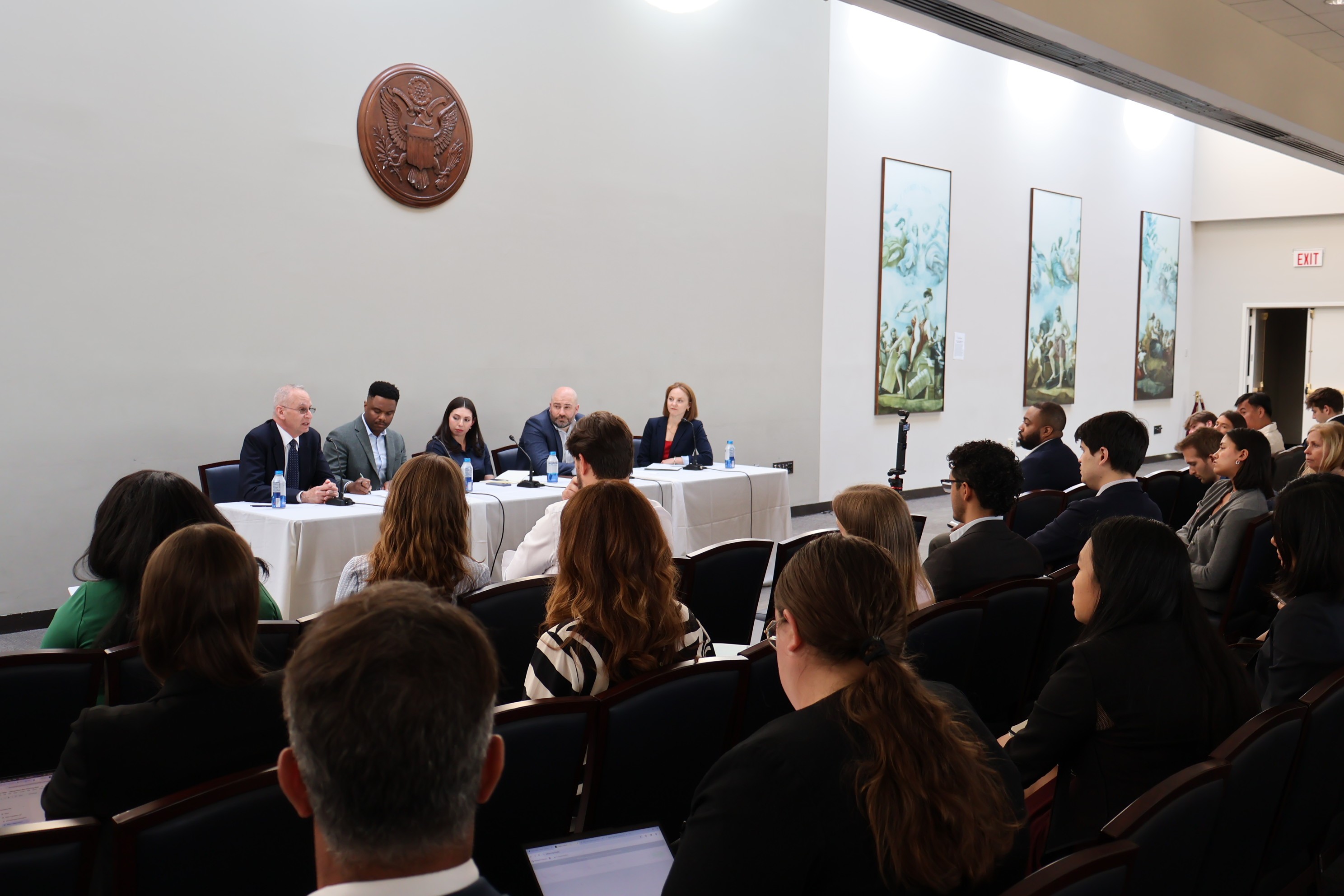
"The verification organization concept is essential to us. If we can finally have a way to get these tools into our workflows in a cost-effective fashion and not have to spend all this time on the back end assuring quality, then we'll have achieved something."
-Dr. David Reich, Chief Clinical Office & President, Mount Sinai Health System